A collaborative project with Vaprikki Museum in Tampere , Finland.
Museum accessibility has been a great concern for the museum so they want to improve their space accessibility.
My role here was a Project Manager and UI/UX Designer collaborating with three other faculty students.
BACKGROUND
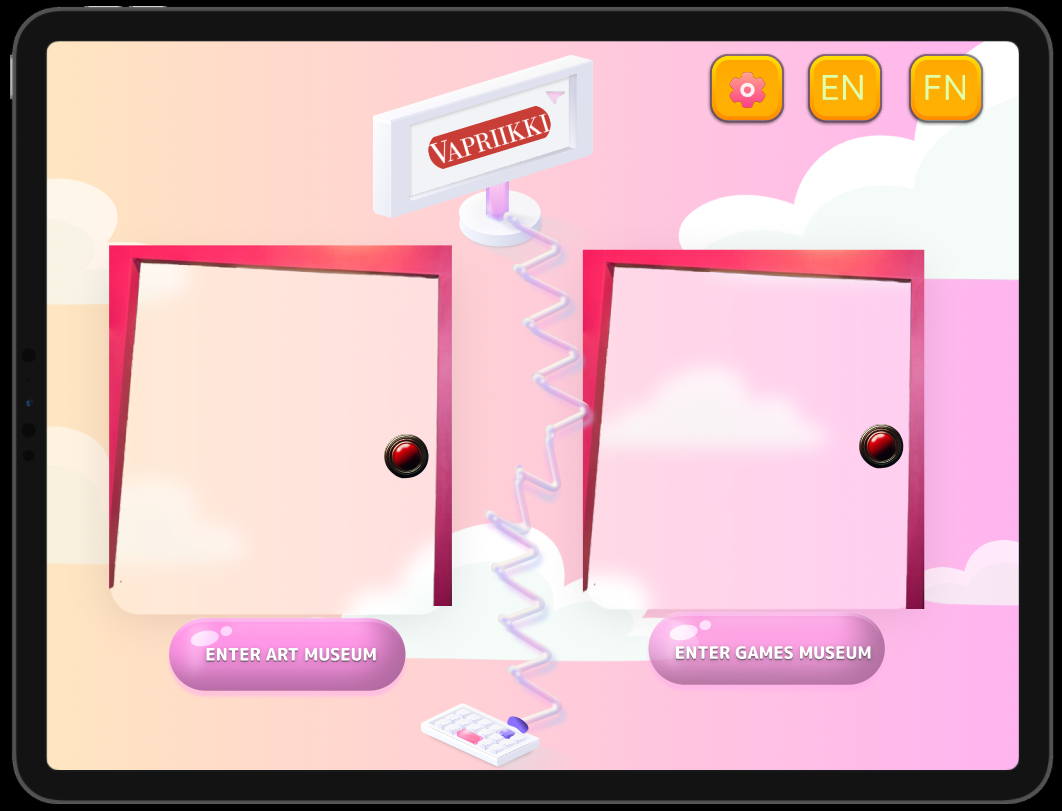
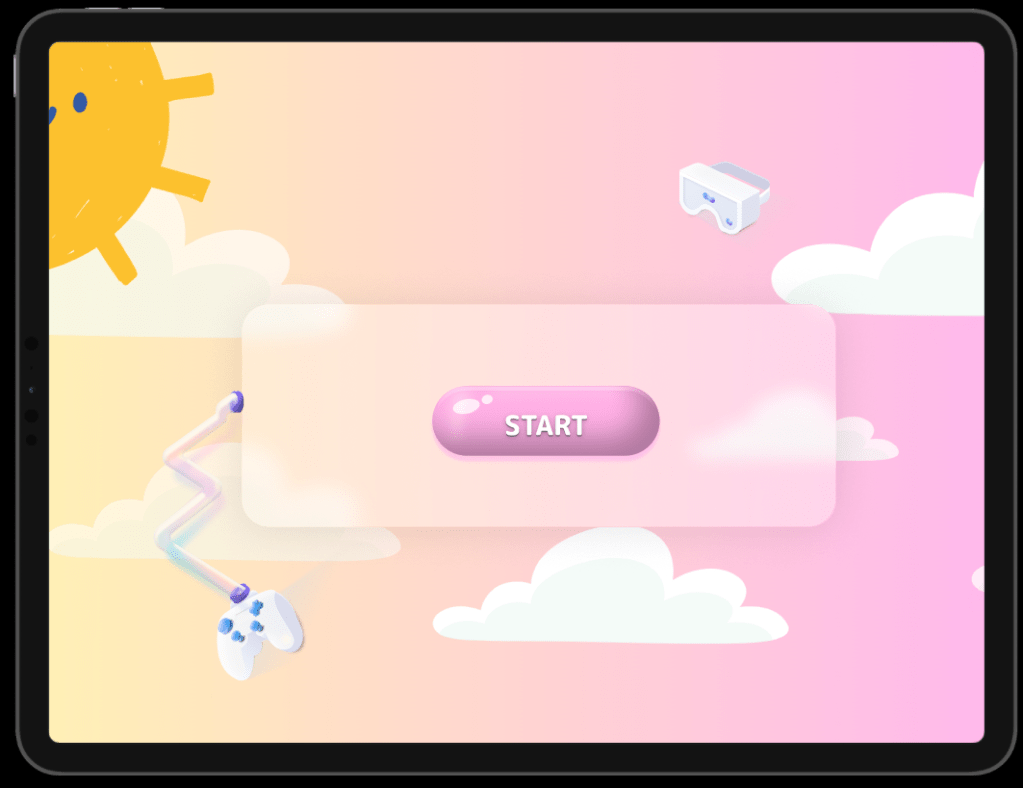
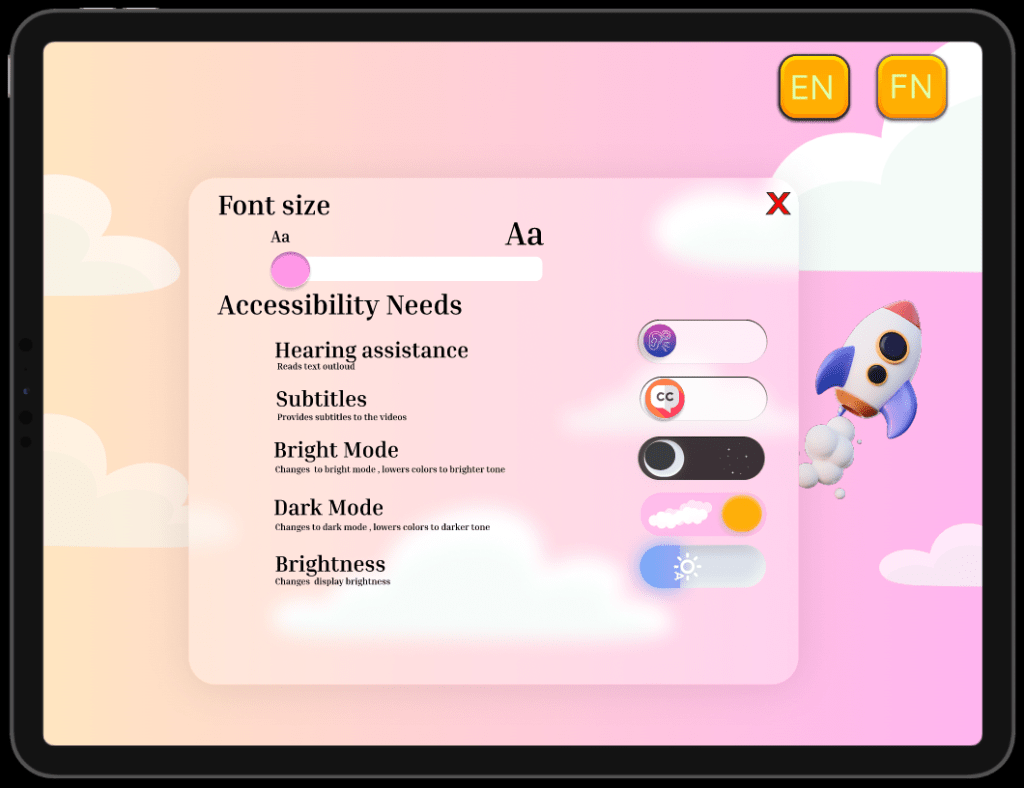
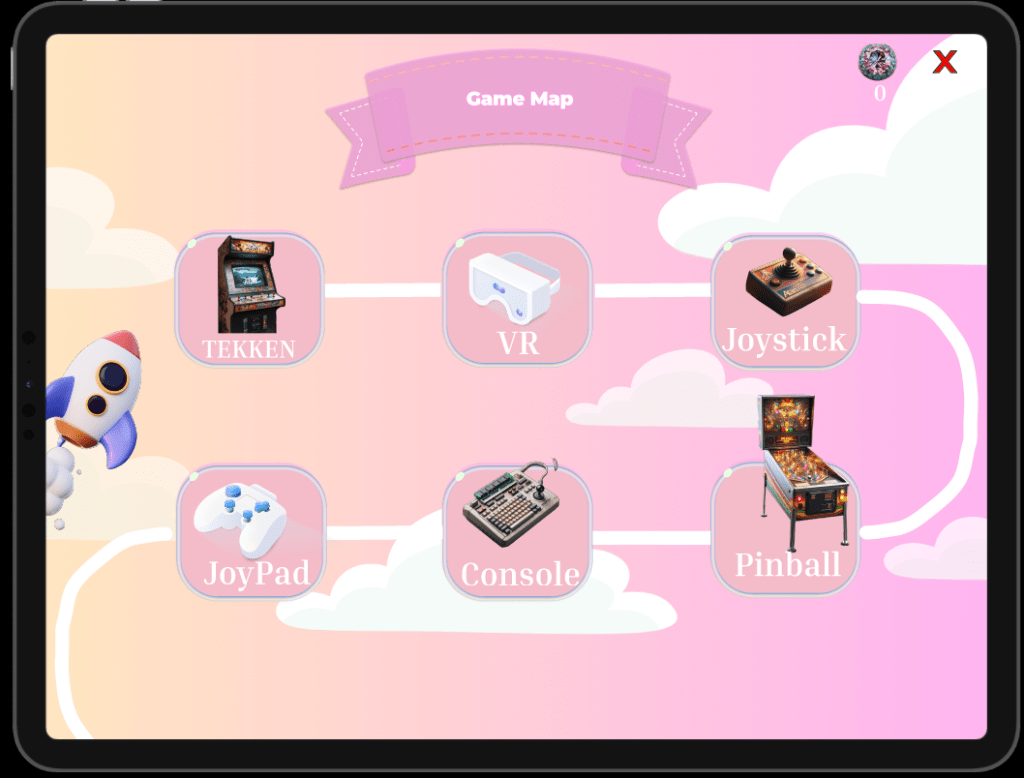
After carefully studying customers’ and users’ needs, we decided to design a virtual guide around the exhibition. The primary idea was to ensure that all visitors can easily access the space and know what things are where. As this is a gaming exhibition space museum staff suggested a more gamified approach in navigation so we designed user interface to excite game like mood.
Methodology
We have prioritized users and their needs and therefore focused on identifying where the human centered design could be implemented to enhance users’ experience.
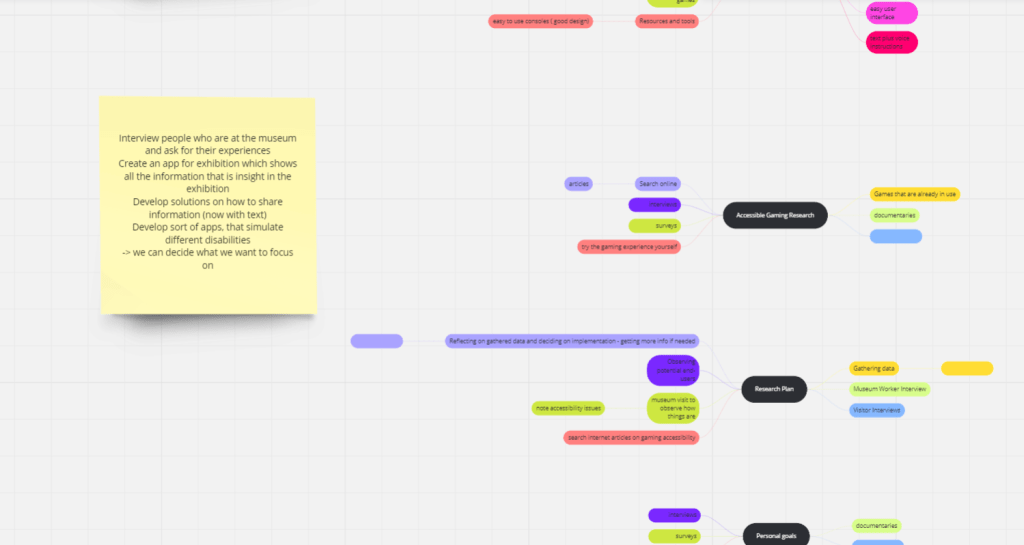
We gathered qualitative data by interviewing the organizers of the exhibition as well as the visitors. Our intention was to get to know both perspectives of people involved in the Over the Barriers exhibition and see how we could meet their needs.
Understanding the significance of firsthand experience, we’ve scheduled visits to the muse-um to directly observe users and spot the accessibility issues. Immersing ourselves in the gaming environment allowed us to identify specific challenges.
During these visits, we observed crucial insights that were not highlighted in the interviews, enriching our understanding significantly.
For instance, we noticed that the XR chair, particularly the Exerium chair, was underutilized due to its suboptimal placement above the hardwood floor, thus impacting its effectiveness. Furthermore, we identified a lack of guides to navigate users through the exhibition, which could significantly enhance overall accessibility and engagement.
Challenges
Keeping up with the project timeline and remote collaboration with students living in different cities were some of the main challenges we solved during this project.
We were heavily dependent on Telegram Chat and Weekly Teams Meetings. Miro was our primary space of collaboration
Solution
Our research strategy began with conducting in-depth interviews with museum staff and visitors, aiming to elicit comprehensive insights into their experiences, preferences, and feedback regarding the gaming accessibility exhibition.
We created two different questionaries consisting of different questions for the visitors (users) and museum staff and exhibition organizers (the client). The user interviews were conducted on-site by two of our team members.
We walked around the exhibition and asked visitors if they were willing to help us in our study by answering a few questions.
After analyzing data using Affinity diagram we worked on the UX consulted with staff and visitors and worked towards designing the UI.
Design methods used during the collaboration included journey mapping, facilitating workshops, UI/UX design, and prototyping solutions.
 Prajjwol